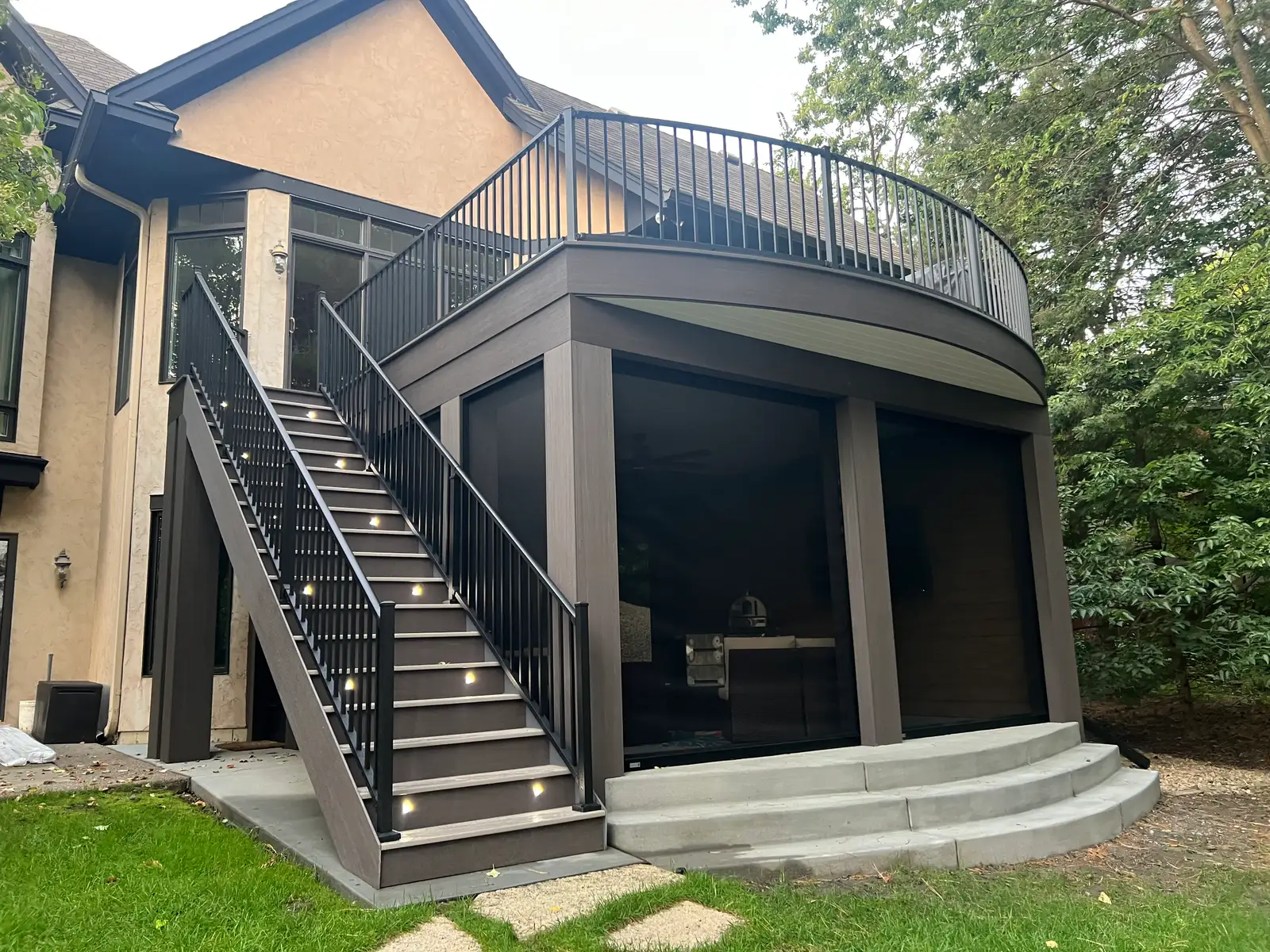
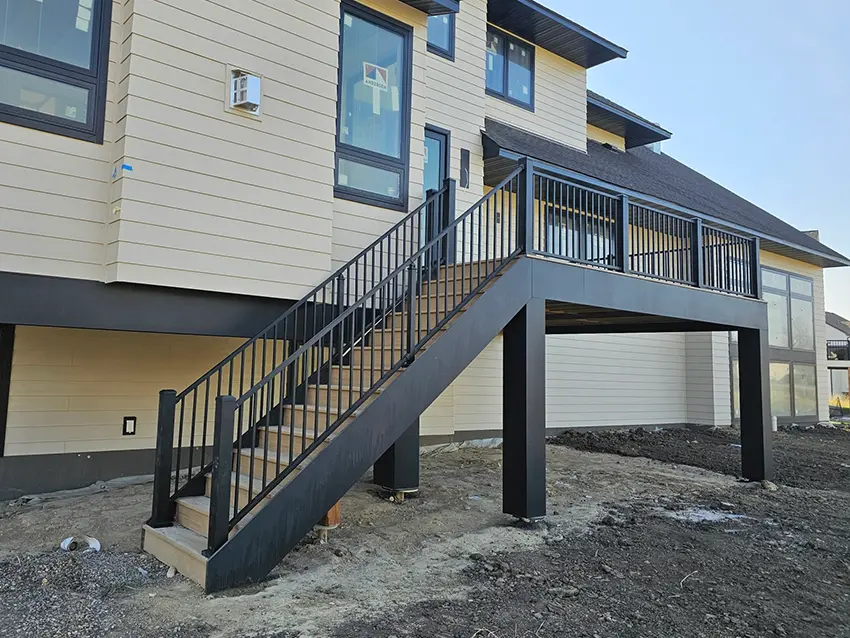
Deck Resurfacing in Madison, WI:New walking surfaces on a structure suitable for reuse
Madison Deck Builders helps you evaluate deck resurfacing in Madison when worn boards need replacement but the supporting structure may still be useful. Resurfacing can update the walking surface and selected finishes while keeping suitable framing. It starts with assessing that frame, rather than assuming it can support the new product.
The proposal should explain what stays, what changes and whether stairs or railings need adjustment. Composite boards may have different support and fastening requirements from the old surface. Compare the condition and compatibility findings before choosing resurfacing instead of a complete structural rebuild.
New walking surfaces on a structure suitable for reuse.
Deck Resurfacing services
Define the work around the condition and use of your space.
Checking whether the frame can stay
Surface boards can hide joist damage, damaged connectors and old water-management details. An inspection should look at the condition and layout of the frame, house connection, posts and accessible supports. Some findings may remain uncertain until removal exposes the structure. Ask how those discoveries affect the scope. The decision to keep a frame should be supported by its suitability for the proposed deck, rather than a desire to preserve the original estimate after removal begins.
Adapting supports to the new surface
The proposed decking may need different joist spacing, extra blocking or a different fastening system. Borders and angled layouts can introduce more framing work than a straight board replacement. Existing joists may also need attention to provide a suitable installation surface. Separate those changes from the board allowance when comparing proposals. A low resurfacing quote is not directly comparable with another that includes the support changes needed for the exact product selected for the finished deck.
Managing railings, stairs and exposed edges
Changing deck board thickness can affect stair transitions and adjacent finishes. Railing posts may interrupt the new board pattern or need connection work below the surface. Fascia and perimeter trim should be coordinated with those details. Check whether railings will remain, be temporarily removed or be replaced, and describe how the stair scope is handled. Reusing some parts is reasonable only when their condition and integration suit the completed project, including the way people enter and leave the deck.
The details matter
Resurfacing is a construction scope, not a coating
Removing and replacing boards differs from cleaning, sanding or staining a wood surface. It also differs from rebuilding the deck’s supporting structure. Keep those alternatives separate when discussing the condition of an older Madison deck so the chosen work addresses the actual problem and the proposal accurately describes the parts that will remain.
When the existing boards only need preparation and a finish, compare deck staining and sealing with removing the surface altogether.
A clear scope connects the first assessment to the finished deck.
Decide what can stay
Assess the frame and record what must be verified after the old boards are removed.
Specify the surface change
Choose the product and identify framing adaptations, fasteners, rails and stair transitions in the proposal.
Confirm before covering
Resolve exposed structural findings before installation, then review the completed surface and the parts left in place.
What a complete proposal should cover
An assessment of the structure proposed for reuse.
A clear allowance for product-specific framing changes.
Defined stair, railing and fascia treatment.
Written handling of damage discovered after board removal.
Deck Resurfacing FAQs
Clear answers before the project takes shape.
Can all older decks be resurfaced?
+
No. The frame, connections and supports must remain suitable for the intended deck. Widespread damage or an unsuitable original structure can move the project toward full replacement.
Is resurfacing another word for staining?
+
No. Resurfacing here means removing and replacing the walking boards. Staining or sealing treats an existing wood surface that remains suitable for maintenance.
Can the deck get larger during resurfacing?
+
An extension changes the structural and foundation scope. It should be designed and priced as extra construction rather than assumed to be part of a board replacement.